Choosing the best Loire Valley chateaux can feel overwhelming when so many compete for your time. For a first trip, start with Chambord for scale, Chenonceau for atmosphere and Amboise for history, then add one quieter stop.
This guide sits within the wider overview of french chateau regions and focuses on the Loire.
| Item | Value |
|---|---|
| Chambord estate area | 5440 hectares |
| Chambord World Heritage listing since | 1981 |
| Amboise adult admission with Histopad, 2026 rate | 17.30€ |
| Amboise student admission, 2026 rate | 14.40€ |
| Amboise distance from Tours-Saint-Pierre-des-Corps TGV station | 20 km |
These figures come from the Amboise Val de Loire tourist office page on Chambord and the Château royal d’Amboise visitor page. They can change, so check the source before you rely on them.
Which of the best Loire Valley chateaux should you see first?
Three names come up again and again, and each rewards a different kind of visit.
- Chambord suits you if scale and spectacle matter most.
- Chenonceau suits you if you want a refined interior and a setting over water.
- Amboise suits you if you care about royal history and the Leonardo da Vinci connection.
The sections below take each in turn, then add some quieter alternatives. Prices and hours come from the pages linked in each section, so check them before you travel.
Chambord: the Renaissance showpiece
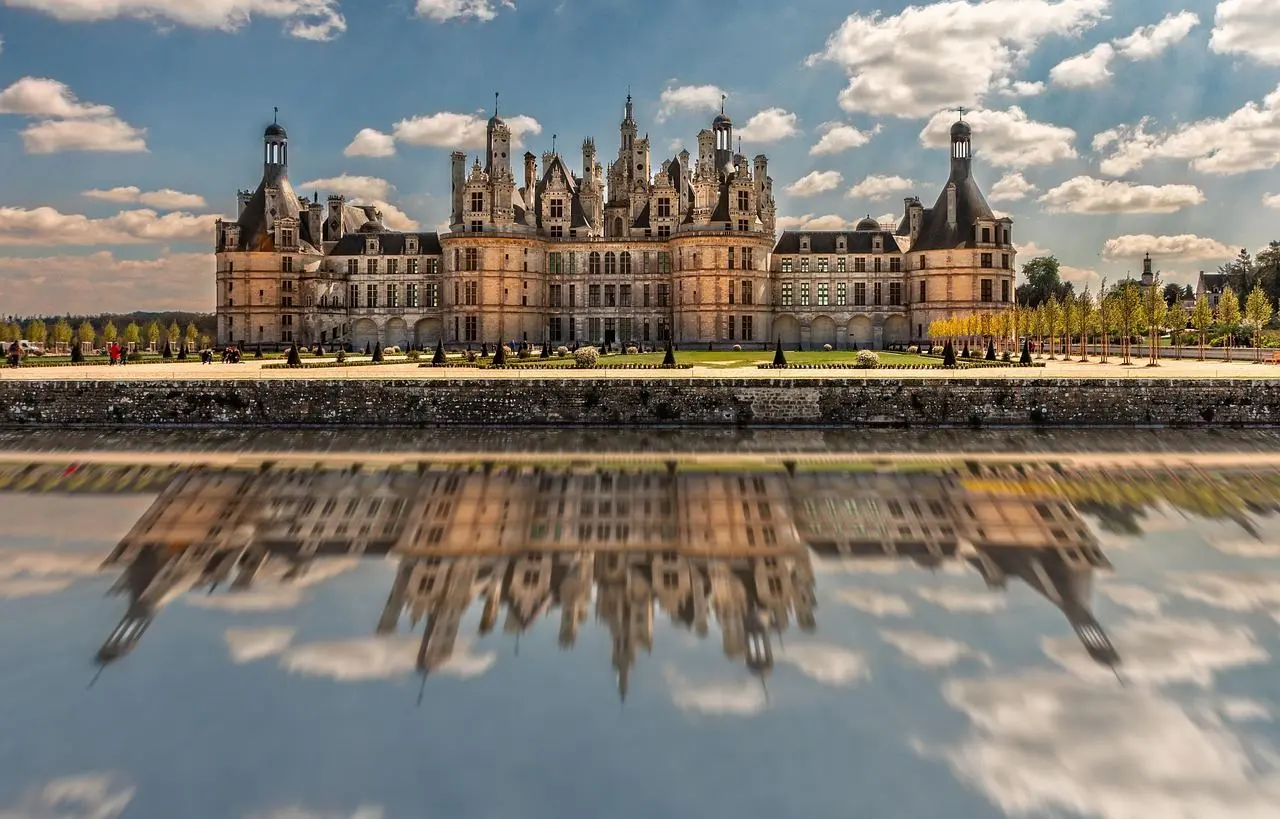
Chambord is the pick for sheer scale. According to the Amboise Val de Loire tourist office, its estate covers 5440 hectares and is the largest walled domain in Europe. The same page says the château has been a World Heritage site since 1981.
Inside, the listing singles out the double-spiral staircase, which may have been inspired by Leonardo da Vinci, along with a rooftop viewpoint. It also describes a collection of over 4500 paintings, tapestries, furniture and works of art, all on the same tourist office page.
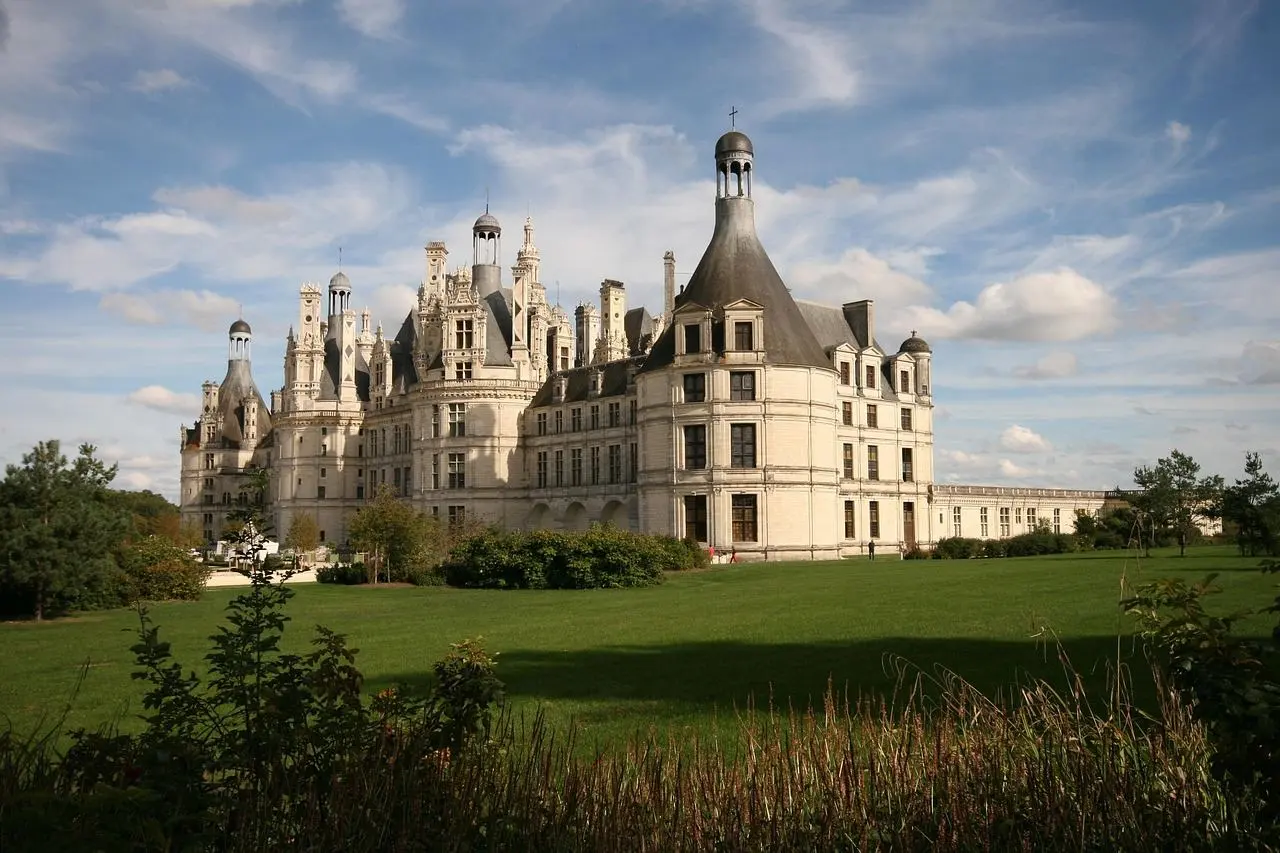
Plan your time sensibly: Chambord’s practical page suggests about 2 hours for the château and 30 minutes for the French gardens. A visit that includes both fits comfortably into a half day.
From 26 October to 18 December 2026, the low-season hours are 9.00 am to 5.00 pm, according to the same opening-hours page. The château is closed on 25 December 2026, and last admission is 30 minutes before closing time.
Chenonceau: the chateau over the river
Chenonceau is the most atmospheric of the three. The tourist office listing describes unique architecture built over the Cher river. It also mentions a remarkable series of 16th-century Flemish tapestries.
The same listing says the château’s history is defined by a succession of women who built, embellished, protected, restored and saved it. The Touraine tourist board adds the rivalry between Diane de Poitiers and Catherine de Médicis at Chenonceau, which gives the visit a story to follow.
On cost, the listing gives a full adult price from 19€ to 24€, with or without an audioguide. In summer it notes night-time promenades in the gardens, plus boat outings in July and August.
Amboise: royal history above the Loire
Amboise is a former medieval fortress on a rocky promontory overlooking the Loire, as the château’s own visitor page explains. The Touraine tourist board says the Renaissance could hardly have had better ambassadors here than Francis I and Leonardo da Vinci, in its guide to the Loire châteaux.
The 2026 individual adult rate is 17.30€, which includes the Histopad, and the student rate is 14.40€, according to the visitor page. The page also places the Tours-Saint-Pierre-des-Corps TGV station 20 km from the château, which helps if you are travelling without a car.
Other Loire chateaux worth adding
If you have more than a few days, the Amboise Val de Loire tourist office says each of Chenonceau, Chambord, Villandry and Cheverny deserves a visit. Villandry and Cheverny are the two names to add once the headline sites are done.
For history rather than architecture alone, the Touraine tourist board links these stops to well-known stories:
- Chinon: the decisive meeting of Joan of Arc and Charles VII at the royal fortress.
- Loches: the presence of Agnès Sorel, described as the first official court favourite.
- Langeais: the marriage of Anne of Brittany, which resulted in Brittany becoming part of the Kingdom of France.
Planning a route between chateaux
If you are starting from the capital, the guide to chateaux near paris covers shorter day trips. Chambord itself is described as less than two hours from Paris by the Amboise tourist office.
Pair sites that suit your pace: one large château per day, with a smaller or garden-led stop beside it. If you prefer hilltop fortresses to Renaissance palaces, the guide to cathar castles offers a very different kind of heritage visit.
Frequently asked questions
Do you need a ticket to walk in Chambord’s forest?
Show answer
No admission ticket is needed for the forest or the area surrounding the château. According to Chambord’s opening-hours page, public access runs 24 hours a day.
When is Chambord least crowded?
Show answer
Chambord’s own guidance points to weekdays outside school holidays, either between January and March or in November. You can read it on the estate’s practical information page.
Can one ticket cover more than one chateau?
Show answer
Amboise sells passes that combine two or three castles, pairing the château with Clos Lucé, or with Clos Lucé and Chenonceau. The details are on the Amboise visitor page.
Is Amboise open all year?
Show answer
The château says it is open throughout the year, except on 1st January and 25th December. Opening times vary by season, so check the visitor page for your dates.