Wondering which French chateau regions deserve your time? Start with the Loire Valley, where a 280 km UNESCO-listed stretch holds famous Renaissance châteaux, then branch out by region.
| Item | Value |
|---|---|
| UNESCO-listed Loire Valley stretch | 280 km |
| Year of the Loire Valley’s World Heritage listing | 2000 |
| Properties on France’s World Heritage list | 56 properties |
| Of those, cultural | 47 cultural sites |
| France’s world rank by number of sites | Third worldwide |
| Year the most recent additions were made | 2026 |
The Loire figures come from the Loire Valley tourism board, and the national counts from Wikipedia’s list of World Heritage Sites in France. Figures can change, so check the sources before you rely on them.
Why the Loire Valley comes first
The Loire is the natural first stop because its heritage is protected as a single cultural landscape. Since 2000, 280 km of the valley, from Sully-sur-Loire to Chalonnes-sur-Loire, has held UNESCO World Heritage status, according to the Loire Valley tourism board. The same page calls it the largest French site listed as such.
The valley holds more than three hundred châteaux, according to Wikipedia’s Loire Valley article. They range from fortifications built in the 10th century to buildings raised about half a millennium later.
Many were built in the 15th and 16th century, when the court of the kings of France settled in the valley, as the France.fr guide to the Loire explains. That royal presence is why grand houses cluster along the river and its tributaries.
Loire châteaux worth knowing by name
Six châteaux give a sense of the range, drawing on the France.fr guide to the valley.
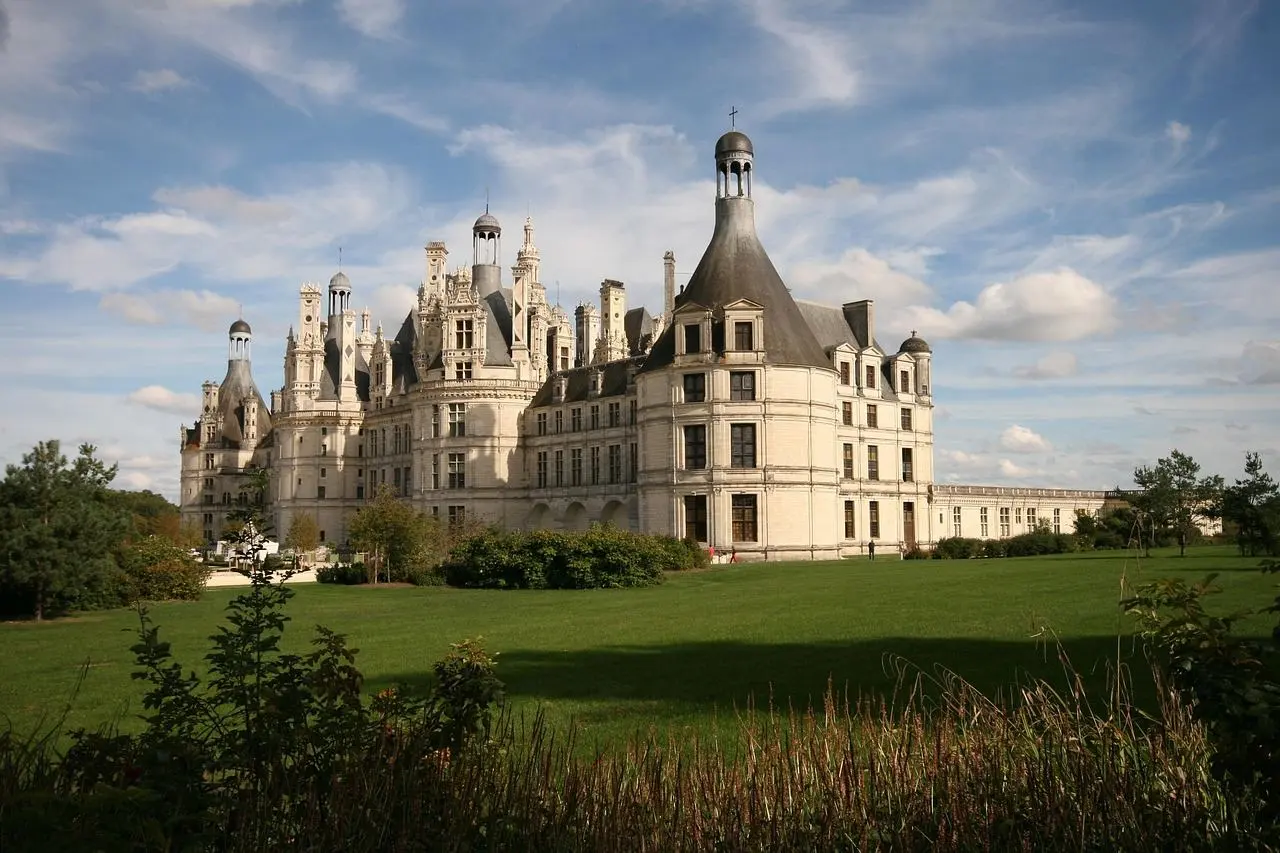
- Chambord: Francis I turned this hunting palace into a symbol of his power as early as 1519, and its centrepiece is a staircase with double revolutions influenced by Leonardo da Vinci.
- Chenonceau: its graceful galleries span the River Cher.
- Amboise: Charles VIII and Francis I both took up residence in this medieval fortress above the Loire.
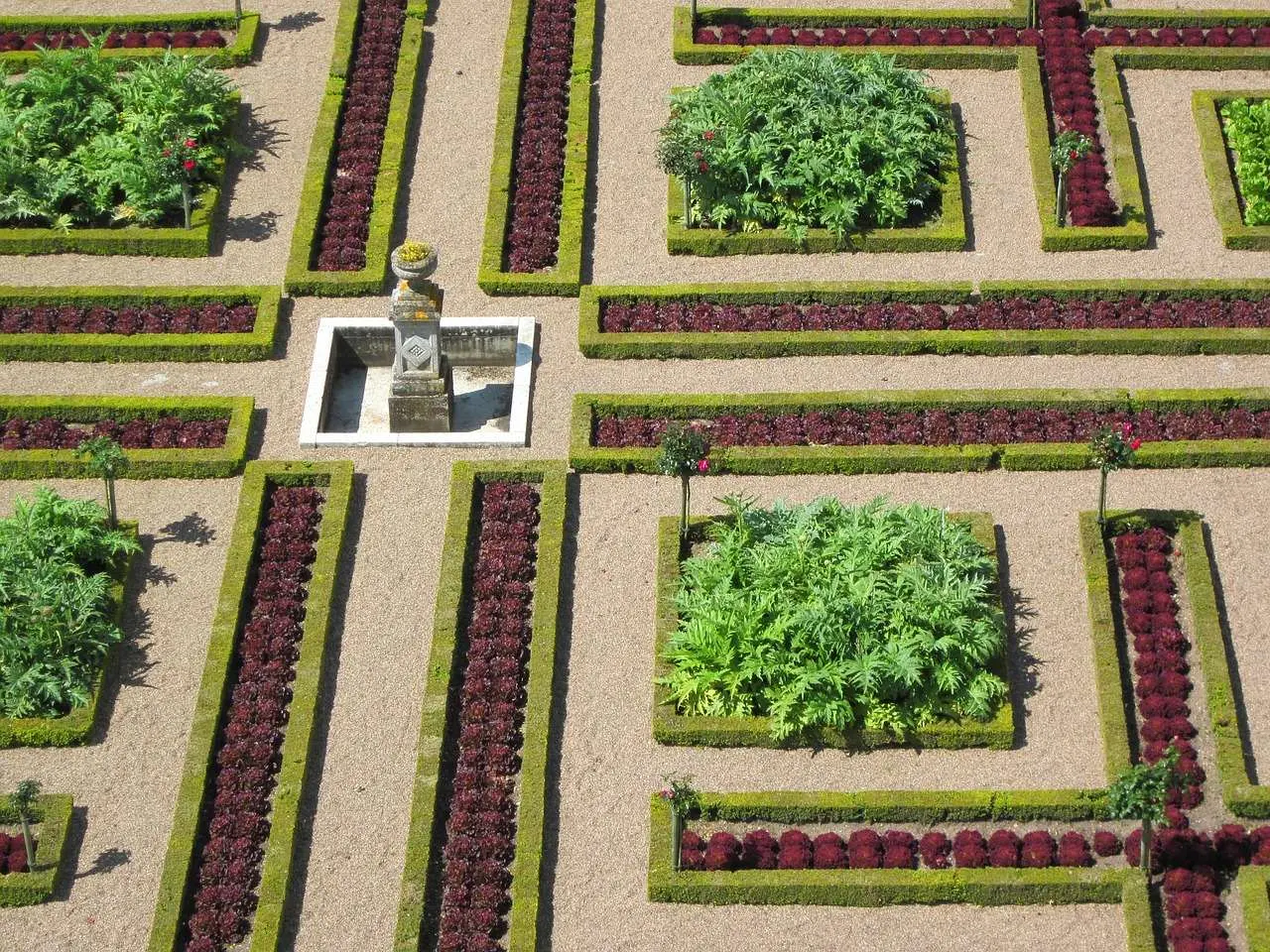
- Villandry: built in 1532 on the site of a fortress, and known for its themed gardens.
- Azay-le-Rideau: a 16th century Renaissance château of tufa stone that sits on an island in the Indre.
- Blois: home to 17 kings and queens over the centuries, with royal apartments and a fine arts museum.
For a closer look at individual houses and how they fit together, the guide to loire valley chateaux goes deeper.
Other French chateau regions at a glance
The national tourism board lists the Loire Valley beside Alsace and Lorraine, Brittany, Burgundy, Champagne, the Dordogne Valley, Normandy, Paris and Provence, as the navigation of France.fr shows. Each of those has its own guide here.
- Burgundy has its own destination page, and the guide to burgundy chateaux treats it as a region in its own right.
- The Dordogne Valley is listed separately from the Loire, and the guide to dordogne castles follows that split.
- Normandy’s coast is part of the World Heritage story, since the Beaches of the D-Day Landings were among the latest additions in 2026 per Wikipedia’s list, and the guide to normandy chateaux and castles covers the region’s heritage sites.
- Alsace shares a destination entry with Lorraine, and the guide to alsace castles focuses on its strongholds.
- Provence appears as a destination in its own right, and the guide to provence chateaux looks at its country houses.
- Champagne is another separate entry, and the guide to champagne region chateaux covers it.
- Brittany is listed on its own as well, and the guide to brittany castles explores it.
- Paris has a separate entry, and the guide to chateaux near paris treats the capital’s surroundings as one compact theme.
- Languedoc fortress heritage drew UNESCO attention in 2026 with the Royal Capetian Fortresses of Languedoc, and the guide to cathar castles tells the region’s fortress story as a separate theme.
Treat the list as a map rather than a ranking. Each region has a different character, and the dedicated guides carry the detail.
How does UNESCO listing shape your choice?
Heritage listing is a useful filter, but it is not the whole picture. The list on Wikipedia records additions up to 2026, including the Royal Capetian Fortresses of Languedoc and the Beaches of the D-Day Landings.
That puts fortress heritage and wartime heritage beside Renaissance palaces on the national list, as of that 2026 update. It widens what a trip built around French heritage can include.
For the background on how defensive strongholds became palaces, read the overview of french castle history. For the practical side, see our notes on how to plan a visit to french chateaux.
Frequently asked questions
Is the whole Loire Valley a World Heritage Site?
Show answer
No. Wikipedia says UNESCO added the central part of the valley to the list in 2000, running between Chalonnes-sur-Loire and Sully-sur-Loire.
Are the cathedrals of Bourges and Chartres inside the Loire site?
Show answer
They are not. The Loire Valley tourism board says both sit outside the Val de Loire listing but are still worth a visit.
Who lived at the Château du Clos Lucé?
Show answer
Leonardo da Vinci did, in Amboise, according to the Loire Valley tourism board.
What is the Loire climate like for a visit?
Show answer
Wikipedia notes that the climate can be cool with springtime frost, and that harvest months may bring rain. For Angers, its table gives average maximum temperatures of 7.9 °C in January and 24.9 °C in July, as shown in the Loire Valley article.
Does France’s World Heritage list include natural sites too?
Show answer
Yes. Beyond the cultural entries, the Wikipedia list counts 7 natural and 2 mixed entries.