Wondering which Loire Valley chateaux deserve your time? Start with Chambord, Chenonceau, Amboise and Blois, set along a 280 km UNESCO-listed stretch of the river.
Part of a wider look at the french chateau regions, this guide covers the royal valley and how to approach it.
| Item | Value |
|---|---|
| UNESCO-listed stretch of the Loire Valley | 280 km (listed since 2000) |
| Year Francis I made Chambord a symbol of power | 1519 |
| Rooms open to visitors at Chambord | 60 rooms |
| Forest around Chambord | 5,000 hectare |
| Kings and queens who lived at Blois | 17 kings and queens |
The figures come from the Val de Loire tourism site and France.fr. They can change, so check the sources before you rely on them.
Why the Loire became the royal valley
A 280 km stretch of the valley, from Sully-sur-Loire to Chalonnes-sur-Loire, has been a UNESCO World Heritage Site since 2000. The Val de Loire tourism site adds that this makes it the largest French site listed as such.
The châteaux owe their look to the court. Many were built during the Renaissance, in the 15th and 16th century, when the kings of France settled their court in the valley, as France.fr explains.
On sheer numbers, the French-language page of France.fr says that more than 100 châteaux line the Loire and its tributaries, among them the Cher, the Indre, the Loir and the Vienne. That page counts 22 remarkable ones in the Grands Sites network, while another France.fr article says 21, so treat the exact total as approximate.
The Loire Valley chateaux to see first
You will not manage every château in one trip. These are the ones most often put at the top of a first itinerary, each with a reason to go.
Chambord
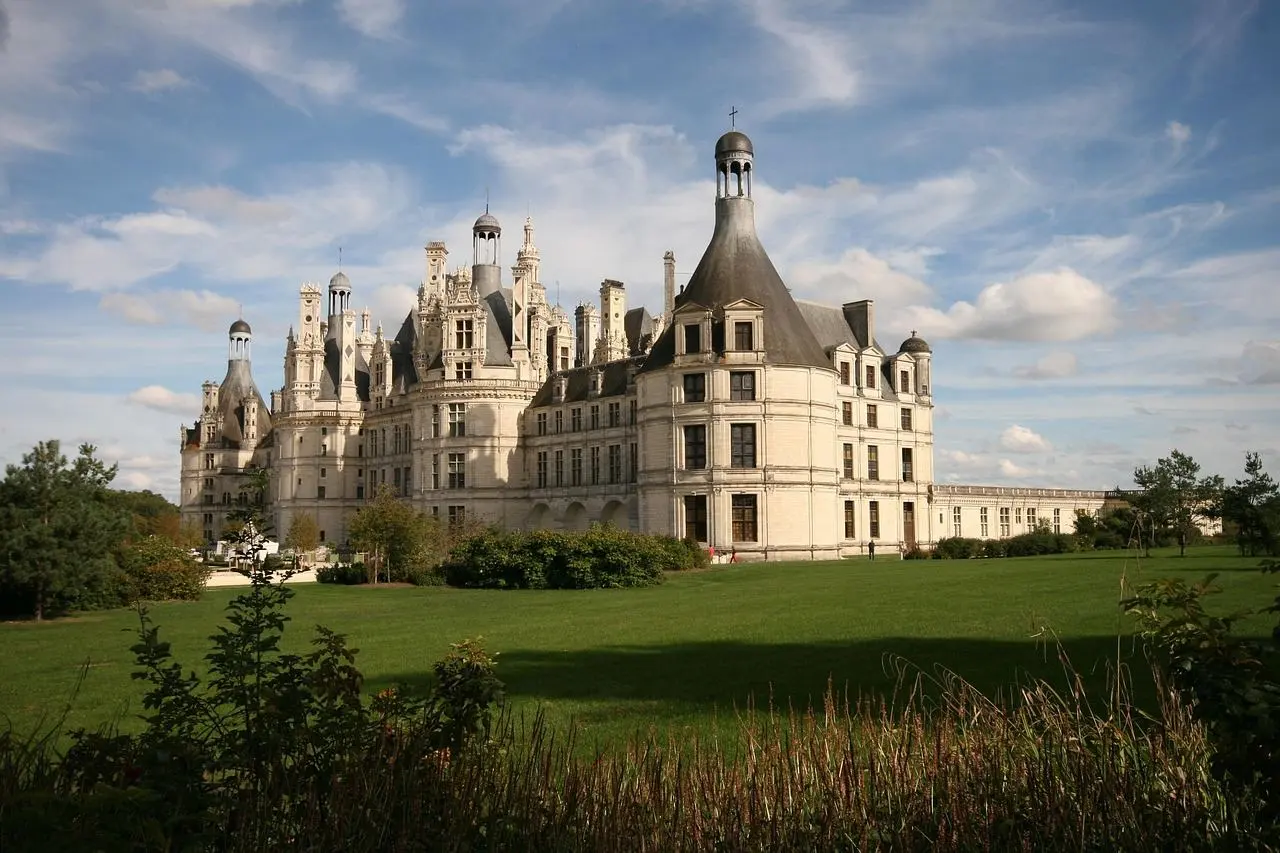
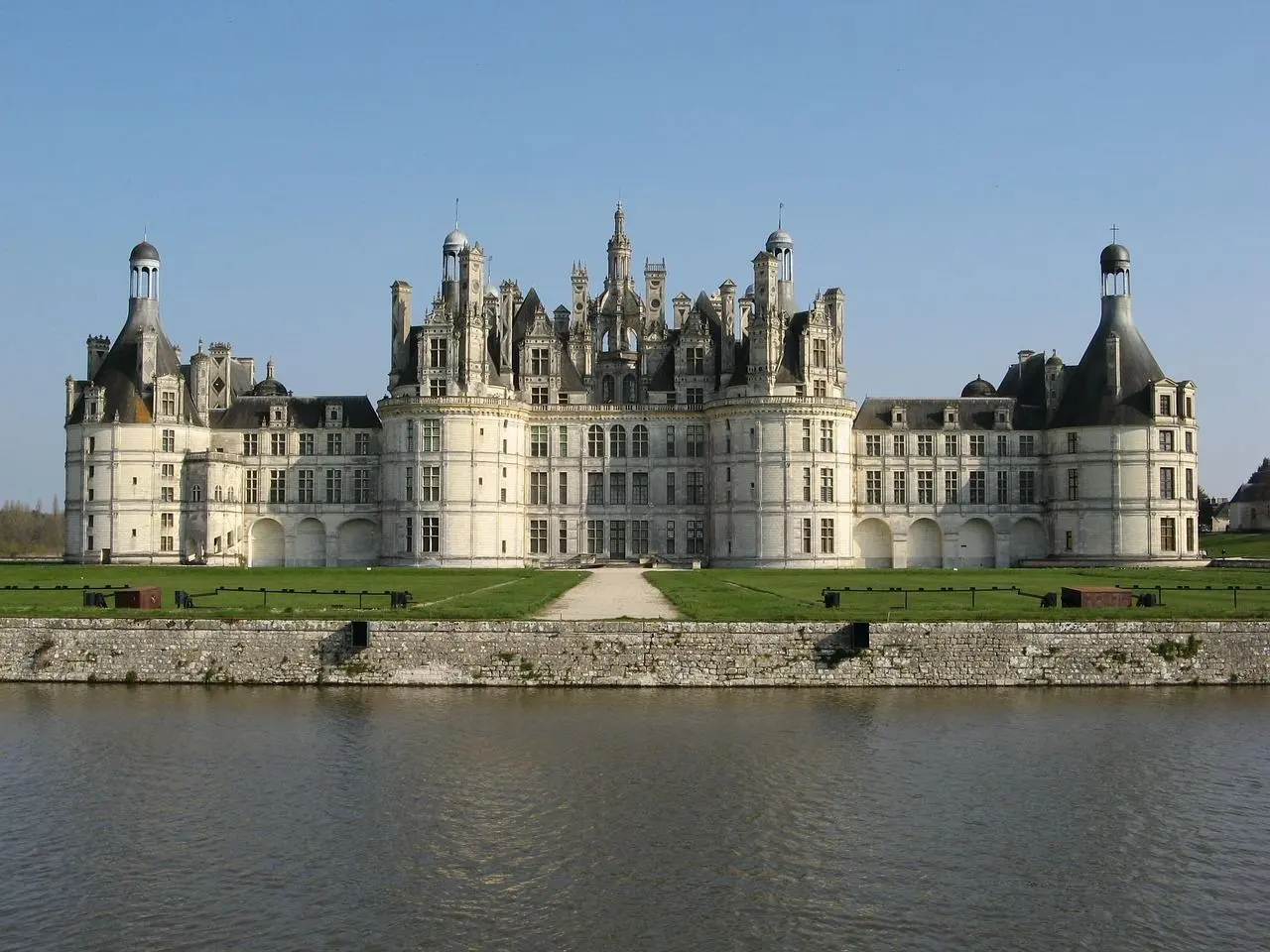
As early as 1519, Francis I turned Chambord from a hunting palace into the symbol of his power, according to France.fr. The building is designed around a staircase with double revolutions influenced by Leonardo da Vinci, and visitors can see 60 rooms inside.
A 5,000 hectare forest surrounds the château. It is a hunting reserve with deer and wild boar, so the grounds deserve as much time as the interior.
Chenonceau
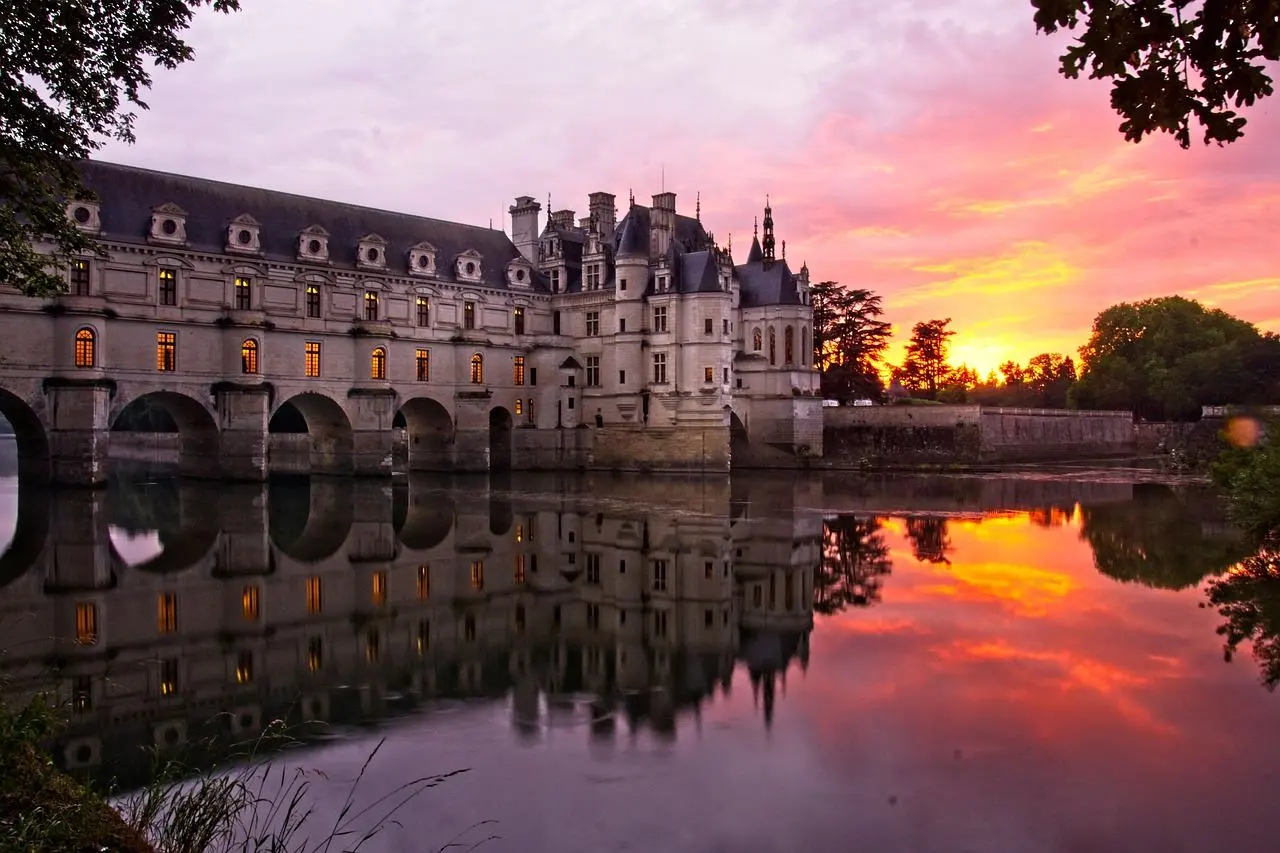
The graceful galleries of Chenonceau span the Cher, and France.fr calls it perhaps the most delicately beautiful of the Renaissance châteaux. Several women left their mark on it, including Diane de Poitiers, Catherine de Medicis, Louise de Lorraine and Louise Dupin, each shaping the layout, furniture or gardens.
Amboise and Clos Lucé
Amboise served as the seat of the court of Charles VIII and Francis I. According to France.fr, Leonardo da Vinci arrived there in 1516, died three years later and was buried in the chapel beside the château, as he wished.
Blois
The royal château at Blois was home to 17 kings and queens between the 13th and 17th centuries, France.fr reports. It gives a compact overview of the whole story of the Loire châteaux.
Azay-le-Rideau, Cheverny and Angers
Perched on an island in the Indre, Azay-le-Rideau was built under Francis I by the financier Gilles Berthelot, who wanted Italian technical ideas combined with French elegance, per France.fr. The same article describes Angers, where a 104m-long tapestry series on the Apocalypse was commissioned in 1375.
Fans of comics may want Cheverny, which the French-language France.fr page names as the model for Moulinsart in the Tintin adventures.
Planning a visit to the Loire Valley chateaux
A little structure keeps a châteaux trip from turning into a blur. Here is a simple order of work.
- Choose a base town. Orléans, Blois, Tours and Chinon are all cities of art and history, according to the Val de Loire tourism site.
- Group your châteaux by river. They sit on the Loire and its tributaries, so a day along one valley saves backtracking.
- Check how each visit works. The Amboise tower tour takes one hour, and Azay-le-Rideau offers audioguides in five languages, as described in France.fr. That article is an older page, so confirm formats with each château.
- Consider two wheels. The signposted Loire à Vélo route runs over 800 km from Nevers to the Atlantic, says the Amboise tourist office.
Readers weighing the Loire against other areas can also look at the cathar castles, and the guide to burgundy chateaux offers a second comparison.
Gardens, rivers and nature around the châteaux
The valley is not only about stone. Villandry was built in 1532 on the site of a fortress and renovated by a Spanish-American couple in the 20th century. France.fr singles out its themed gardens, including a green maze and a decorative vegetable garden.
The river itself has visitor centres too. The Loire Valley has three Maisons de Loire, which the Val de Loire tourism site presents as places to learn about the river’s wildlife and history through guided tours, exhibitions and workshops.
Chartres and Bourges are tempting extensions. The same tourism site notes that their cathedrals are not part of the UNESCO-listed Val de Loire, yet remain well worth a visit.
Frequently asked questions
How many Loire Valley chateaux are there?
Show answer
The national tourism site describes far more buildings than any single trip could cover, with a much smaller group forming the headline Grands Sites network. Published counts of that network differ slightly between pages.
Is the whole Loire Valley a UNESCO site?
Show answer
No, only a defined section between Sully-sur-Loire and Chalonnes-sur-Loire is listed. Tourism boards stress that the cathedrals of Bourges and Chartres sit outside it, as the Val de Loire tourism site explains.
Where can you follow Leonardo da Vinci in the valley?
Show answer
Head to Amboise. The Val de Loire tourism site says he lived at the Château du Clos Lucé there.
Can you cycle between the châteaux?
Show answer
Yes, a signposted long-distance cycle route follows the river from Nevers to the Atlantic, according to the Amboise tourist office. Shorter signposted loops start from Amboise and nearby villages.