If you wonder whether French Revolution chateaux were all burned down, the answer is no. Many were looted, sold or stripped of feudal symbols, yet most famous ones survived.
For the wider story, read this guide to french castle history.
| Item | Value |
|---|---|
| Clergy property placed at the nation’s disposal | 2 November 1789 |
| Estimated value of that clergy property | about 3 billion livres |
| Church share of land before the Revolution | one tenth to one fifth of the territory, depending on region |
| Decree placing émigré property in the nation’s hands | 9 February 1792 |
| Sale of émigré property decided | 27 July 1792 |
The figures come from Wikipedia’s entry on biens nationaux and Encyclopædia Universalis. They can change as sources are revised, so check the source before you rely on them.
Were all French chateaux destroyed in the Revolution?
The idea of a systematic wrecking is a myth, according to the Guichet du Savoir reference service. It quotes the historian Claude Petitfrère, who writes that most Loire chateaux passed through the Revolution without trouble and that there was no “war of the chateaux”.
The same answer adds that the chateaux which vanished were victims of speculators’ greed far more than of revolutionary vandalism. That is a useful corrective to the popular picture of a country-wide bonfire.
Violence did happen, and it started early. As early as 1789, according to the Guichet du Savoir, assaults hit chateaux in the Normandy bocage and in several eastern provinces: Alsace, Franche-Comté, the Mâconnais and Dauphiné. Archives were ransacked, furniture was looted and some buildings were set alight.
The famous slogan “war on the chateaux, peace to the cottages” dates from late autumn 1792. The Guichet du Savoir notes that the Convention aimed it at its generals in foreign lands the armies had just occupied, although it boded ill for manor houses at home.
How national property changed hands
The key term is biens nationaux. Universalis defines them as the properties of the Church and of counter-revolutionaries that were seized, nationalised and sold during the Revolution.
It separates two waves: goods of “first origin” came from the Church from 1789, and goods of “second origin” were taken from émigrés and political convicts from 1792. Their owners were mostly nobles, and the confiscations had passionate as well as financial motives.
On 2 November 1789 the Assemblée Nationale voted that the clergy’s goods would be placed at the disposal of the nation, according to Wikipedia. The same page puts their estimated value at about 3 billion livres. Universalis estimates that on the eve of the Revolution the Church held between one tenth and one fifth of the territory, depending on region.
Property of émigrés followed. A decree of 9 February 1792 handed it to the nation, and its sale was decided on 27 July 1792, as Universalis reports.
For a chateau, a sale could mean a quiet change of owner. It could also mean the end: the Guichet du Savoir says buyers sometimes took buildings apart to recover stone, timber or metal.
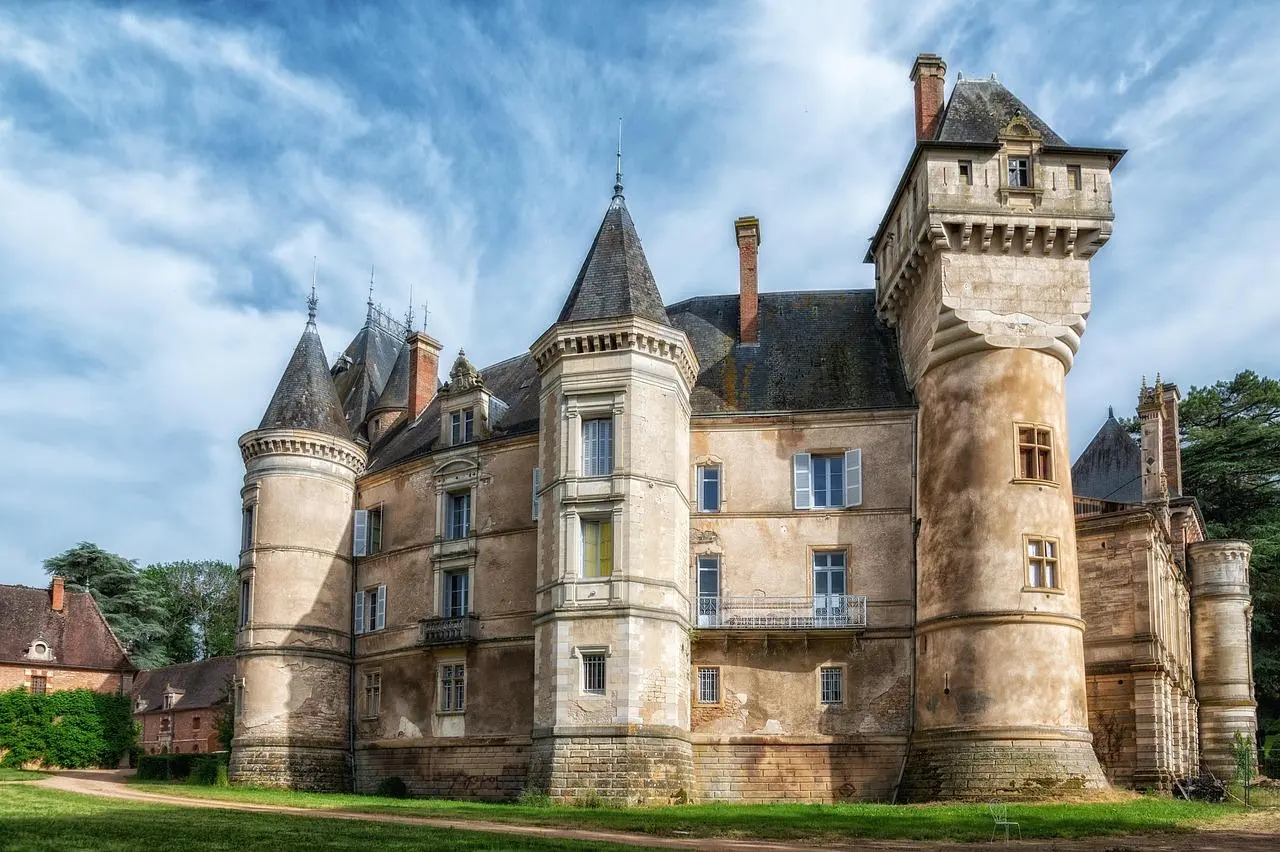
Targeting the symbols of feudal power
Revolutionary decrees ordered the destruction of the emblems of the old order and of feudalism. The Guichet du Savoir reports that towers, coats of arms and dovecotes were often destroyed even where the main building stayed upright.
Its example is the château de Caen, whose keep was demolished. If terms such as keep or dovecote are new to you, the guide to castle architecture terms explains the vocabulary.
Historian Jean-Clément Martin, quoted on the same page, says the Revolution “destroyed a great deal” and began doing so when peasants burned chateaux and archives in spring 1789. On 15 July 1789 the Assembly also decided that the Bastille would be razed.
A counter-current soon appeared. Between April and December 1794, in four reports, the abbé Grégoire denounced the vandalism of the sans-culottes across the country, as the Guichet du Savoir relays.
The Revolution was therefore torn between two urges:
- Preserve works of art, letters and science in order to educate.
- Destroy whatever recalled religion, monarchy, privilege or feudal society, in order to purify.
Which chateaux survived, and why?
Historians estimate that several hundred, even a few thousand, manorial residences were destroyed or badly damaged. The Guichet du Savoir adds that most of the grandest and best-known chateaux are still standing.
Several factors explain survival:
- A military, administrative or economic use protected some buildings.
- Others were simply spared by local events.
- Some became barracks, prisons, factories or farms, which kept their walls in service.
- Several were restored in the nineteenth century amid renewed interest in medieval heritage.
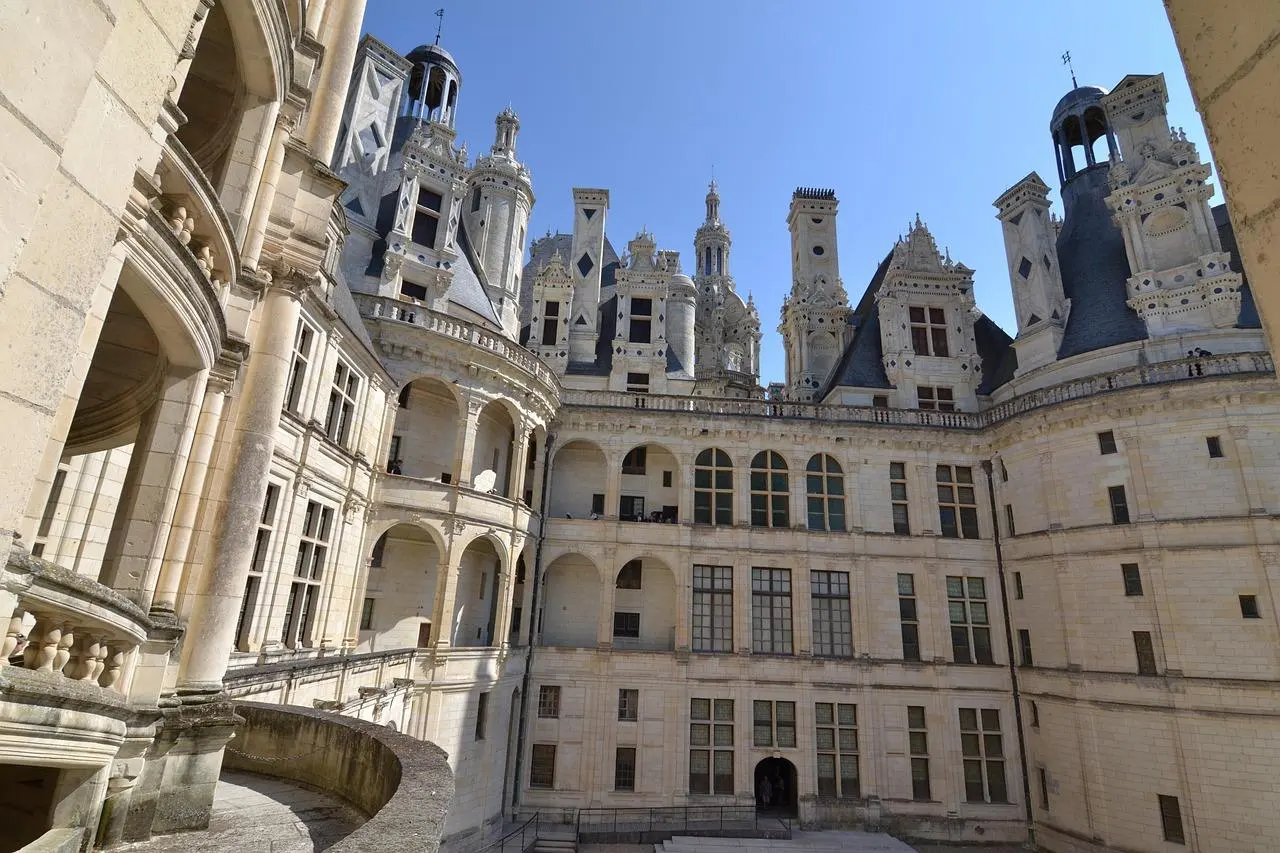
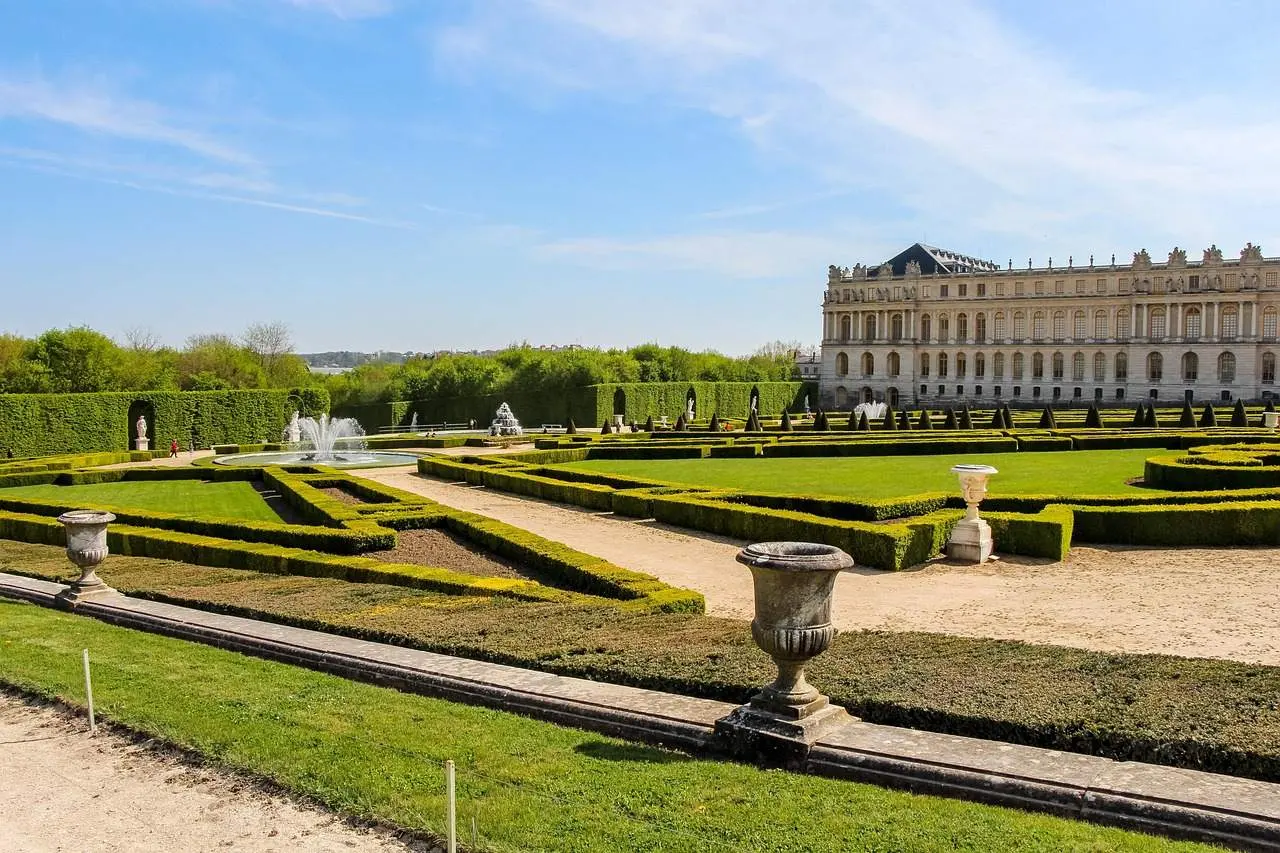
Two well-known cases show the range. Versailles was not destroyed but emptied of its furniture, becoming a museum later, while Chambord was confiscated yet left intact.
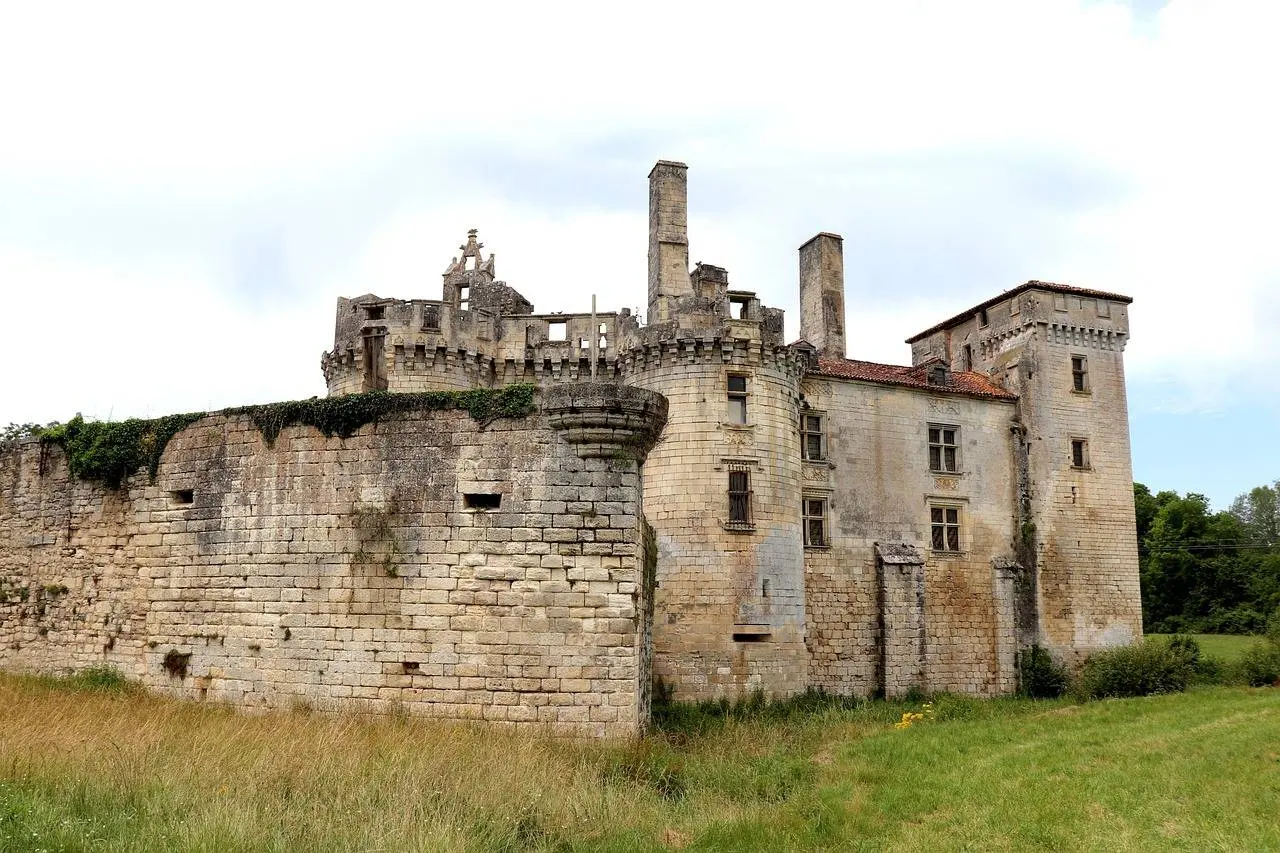
Small rural manor houses fared worst. Many disappeared or fell into ruin after being sold as national property, which is why the survival of the great names can give a misleading impression.
Reading a chateau’s past on your visit
The Guichet du Savoir sums up the outcome this way: much of French castle heritage survived, though its use, look or owner often changed. That gives you things to watch for on a visit:
- Missing or defaced heraldry on façades and gateways.
- Towers or dovecotes that are absent from an otherwise complete building.
- Signs of later restoration rather than unbroken medieval fabric.
- Rooms that were once barracks, workshops or farm buildings.
For another side of French chateau history, see the profile of andre le notre.
Frequently asked questions
What does biens nationaux mean?
Show answer
The expression is usually rendered as “things for the good of the nation”, or simply national goods, according to Wikipedia. In practice it covers Church, Crown, émigré and suspect property taken over by the state.
Why did the state sell Church property?
Show answer
Public finances were the driver. The deputy Talleyrand proposed nationalising clerical goods, per Wikipedia, and Universalis notes the nation took on the costs of worship, the upkeep of ministers and poor relief in exchange.
Who invented the word vandalism?
Show answer
The abbé Grégoire, who by his own account coined the term in order to suppress the thing itself. The Guichet du Savoir remarks that his stance was confusing, since he blamed every act of destruction on the counter-revolution.
Did the Revolution only damage buildings?
Show answer
No. Contents suffered too: bronzes were melted down, libraries were ruined by damp or fire, and heraldry was removed. The Guichet du Savoir describes these acts as carried out without discernment.