Wondering about chateau vs castle in France? Most French châteaux are fine country houses or palaces, not fortresses. A fortified castle is a château fort, so the word alone doesn’t tell you whether walls and towers exist.
This guide is part of the wider subject of french castle history, where choosing the right word saves a lot of confusion.
| Item | Meaning |
|---|---|
| Château | A manor house, palace or fine country house, with or without fortifications |
| Château fort | A fortified castle, such as the Château fort de Roquetaillade |
| Palais | The urban counterpart of a château, applied to very grand city residences |
| Hôtel particulier | An urban private house of a grand sort |
| Versailles | Usually known in English as the Palace of Versailles |
The meanings above come from Wikipedia’s château article. Definitions and usage can change, so check the source before you rely on them.
What does château mean in French?
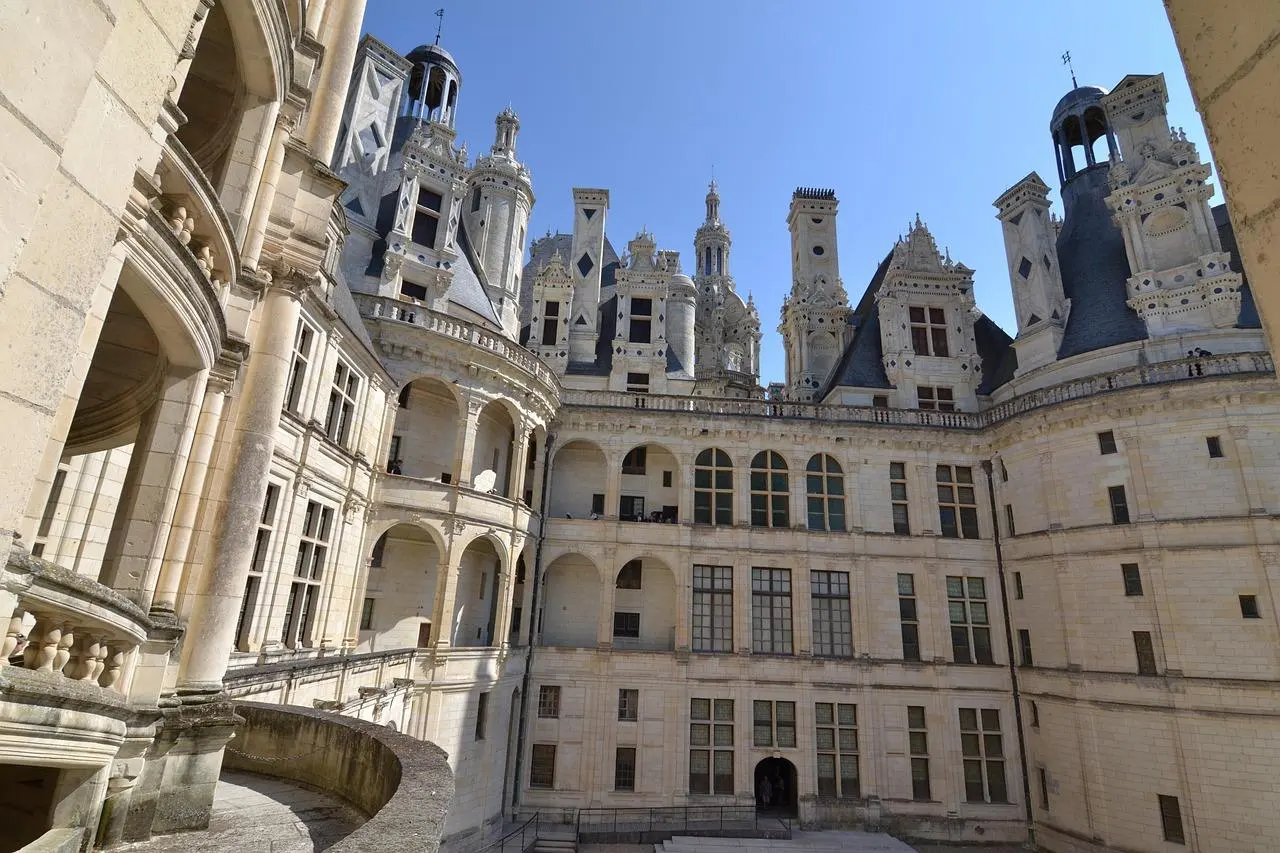
The French word is wider than any single English one. Wikipedia’s château entry says it denotes buildings as diverse as a medieval fortress, a Renaissance palace and a fine 19th-century country house.
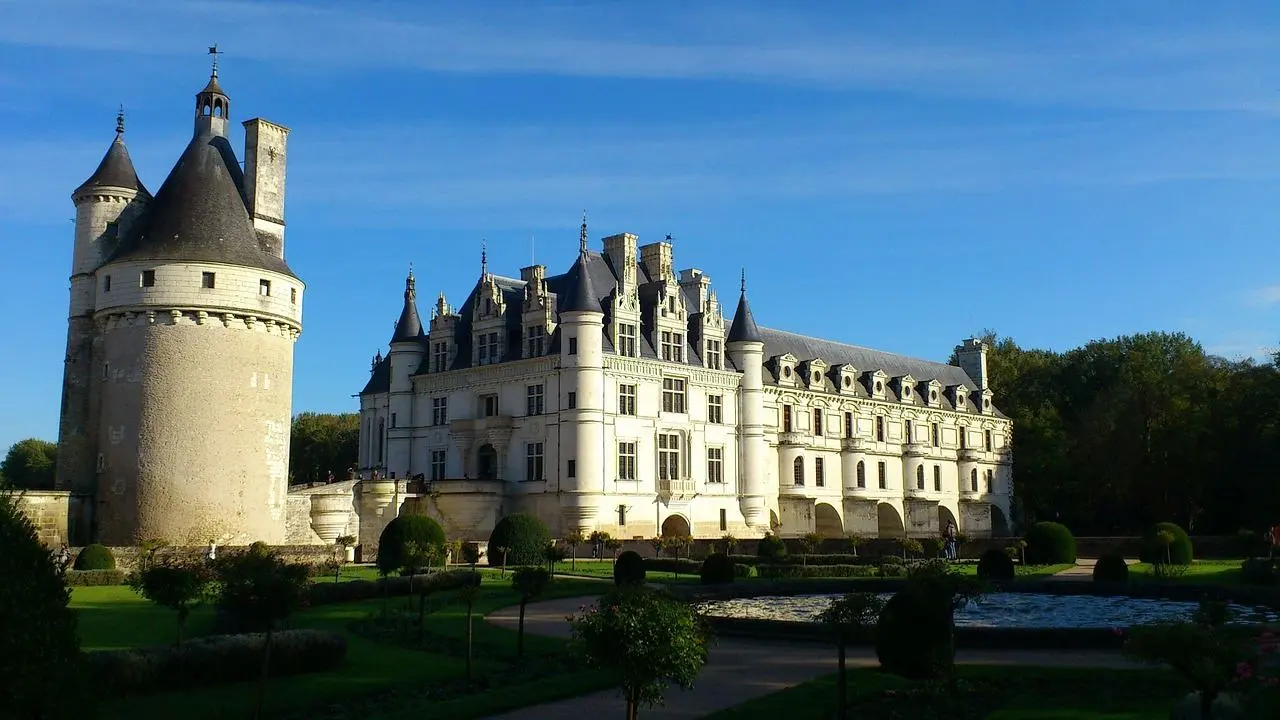
The usual English definition is a manor house, palace or country house of the nobility or gentry, with or without fortifications. A defensive wall is therefore optional, not part of the meaning.
The word also carries rank. It often points to the home of a member of the French nobility or royalty, a personal and usually hereditary badge of a family that locally represented royal authority.
Why “castle” is often the wrong translation
For most buildings, “castle” is the weaker choice. The same source states that most French châteaux are palaces or fine country houses, and that “château” is the appropriate English word for them.
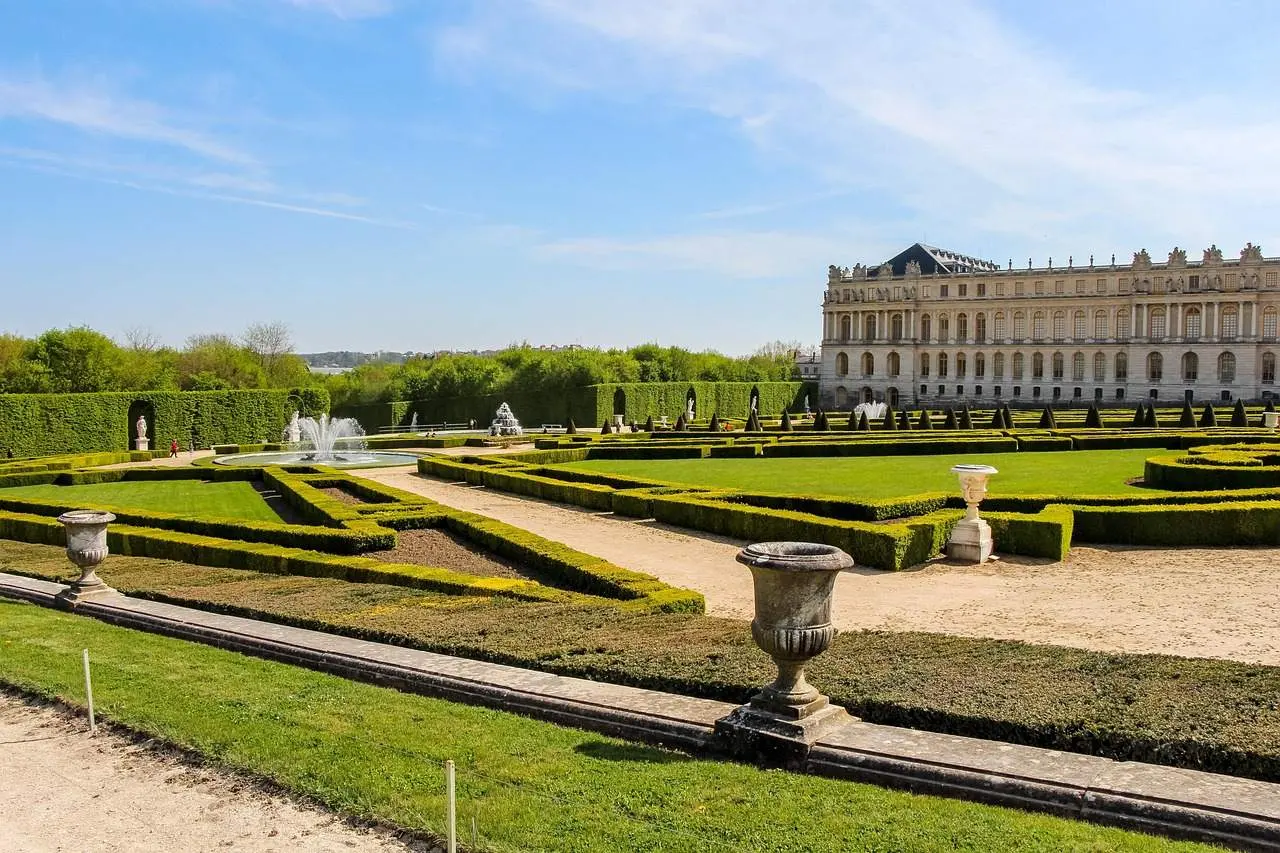
Versailles shows the limit of any one label. Its French name is also le palais de Versailles, and because it does not resemble a castle it is usually called the Palace of Versailles in English.
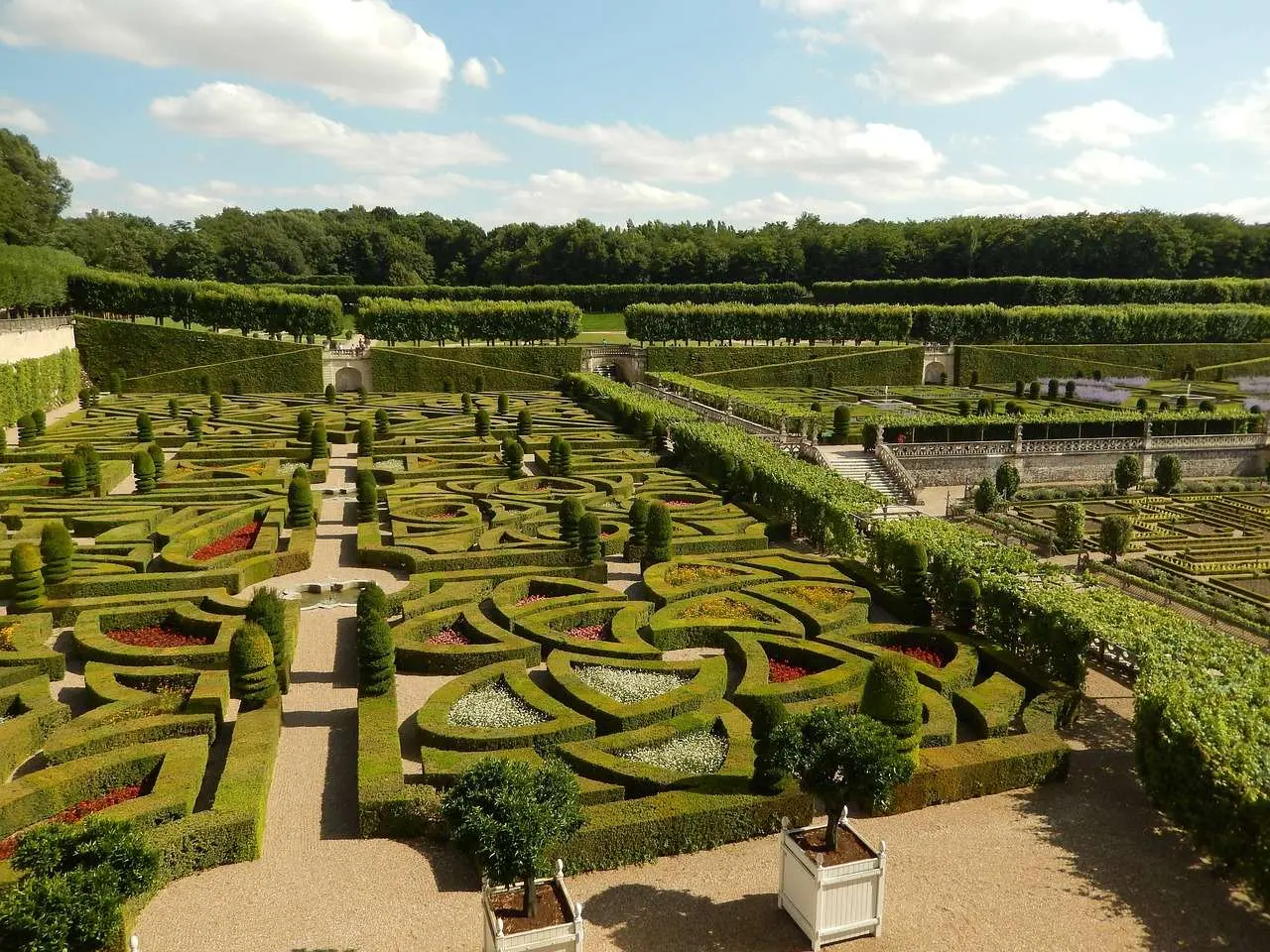
Vaux-le-Vicomte makes a different point. It was built by high-bourgeois people who had only recently been ennobled, including tax-farmers and ministers of Louis XIII and his royal successors, so a château can signal status rather than defence.
How to recognise a château fort
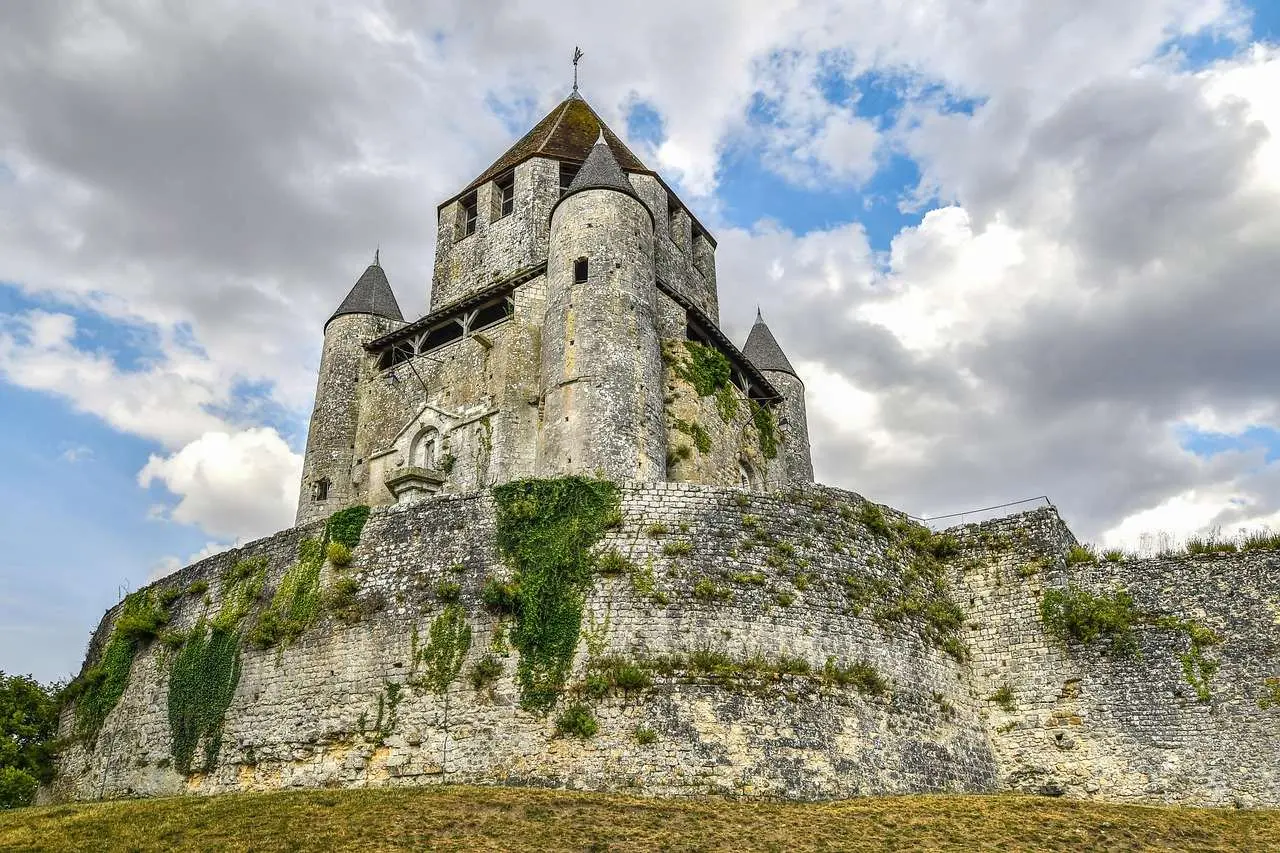
When French speakers need to be precise, they add one word. The term château fort describes a fortified castle, and the Château fort de Roquetaillade is the example Wikipedia gives.
Fortification has deep roots in the word’s history. According to the château article, open Roman villas began to be walled in and then fortified in the 3rd century AD, evolving into what it calls castellar “châteaux”, and you can read more in the same source.
Three quick checks help when you are reading a name or a guidebook:
- Look for fort after the word château, which marks the fortified castle.
- Remember that a château may have no fortifications at all, so the word alone settles nothing.
- Notice the setting: a modern château may keep a gated forecourt, a gatehouse or keeper’s lodge, and outbuildings such as stables, kitchens and bakeries.
The vocabulary of towers, keeps and gatehouses is covered in the guide to castle architecture terms. For how the fortified type took shape, see the page on medieval french castle architecture.
Palais and hôtel particulier: the city versions
A country château has an urban cousin. In French the palais is its city counterpart, usually applied only to very grand residences, while an hôtel particulier is a grand private house in town.
Paris offers a neat case. The Louvre, originally a fortified castle, and the Luxembourg Palace, originally a suburban palace, were first referred to as châteaux but became “palaces” once the city enclosed them.
So the label can follow location as much as architecture. A building that once stood in open country may change its name when streets grow around it.
Where else the word château appears
Outside heritage writing, the word has drifted. It is often used for a winegrower’s estate, especially in the Bordeaux region of France, where it names a wine property rather than a medieval stronghold.
It has also crossed the Atlantic selectively. In the United States, north of Wilmington, Delaware, the rural “Château Country” around the Du Pont family uses the word with its original meaning, while Newport’s large manor homes were called “cottages”.
A simple rule for choosing the English word
Wikipedia advises care when translating the word, noting the nature of the building in question. A practical order of questions follows from that advice:
- Check the French name for fort. If it is there, “castle” is a fair translation.
- If the building is a very grand residence in a city, expect palais or hôtel particulier rather than château.
- Otherwise, keep “château” for a country house or manor, and use “palace” where the building is closer to one, as with Versailles.
Frequently asked questions
Is every French château fortified?
Show answer
No. The standard definition covers houses that may have fortifications or none, so a château can be an elegant residence with no defensive purpose.
Why do some wine labels use the word château?
Show answer
The term is also applied to wine-growing properties. Bordeaux is the region the source singles out for this habit.
Do Belgians use château the same way?
Show answer
In Wallonia, the French-speaking part of Belgium, the word carries the same meaning as in France. The source names the Château des Comtes de Marchin and the Château de Seneffe as examples of strong French architectural influence there.